


Pest Control In Jasola
2026-09-05T04:28:33  read more
 read more
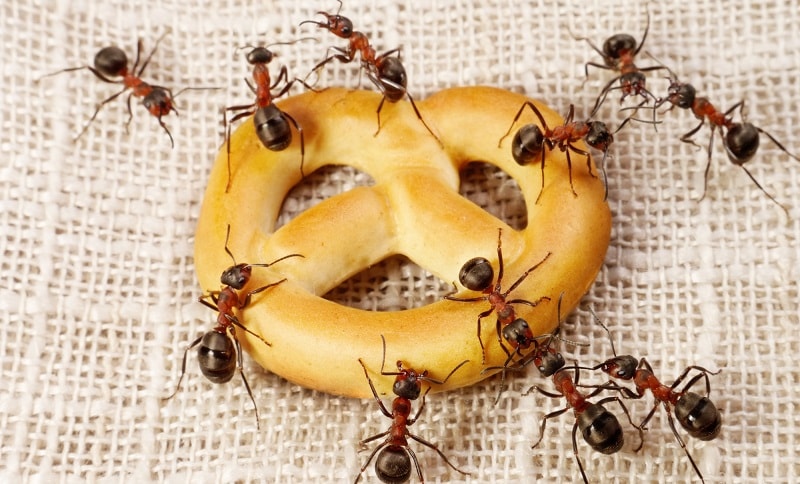
The Fascinating World of Ants: Behavior, Ecology, and Impact Introduction: Ants, belonging to the family Formicidae, are remarkable insects that inhabit almost every terrestrial ecosystem on Earth. With over 12, 000 known species, ants play crucial roles in ecosystem dynamics, soil health, and even human societies. This article explores the diverse world of ants, delving into their behavior, ecology, and impact on both natural and human environments. Ant Behavior: Ants are eusocial insects, meaning they live in organized colonies with overlapping generations, cooperative care of young, and reproductive division of labor. Within a colony, individuals are divided into castes, including queens, workers, and sometimes soldiers. The queen's primary role is reproduction, laying eggs that give rise to the colony's members. Workers, the majority of the colony, perform tasks such as foraging, caring for the brood, and nest maintenance. Soldiers, present in some species, defend the colony against threats. Communication among ants is primarily through chemical signals called pheromones. These pheromones play crucial roles in coordinating activities such as foraging, nest construction, and defense. Ants leave pheromone trails to communicate the location of food sources, leading to the formation of visible trails along the ground. Ecological Importance: Ants are keystone species in many ecosystems, meaning they have disproportionate effects on their environment relative to their abundance. They contribute to nutrient cycling, seed dispersal, and soil aeration. Some ant species form mutualistic relationships with plants, providing protection in exchange for food or shelter. Others act as predators or scavengers, regulating populations of other insects and decomposing organic matter. In agriculture, certain ant species are considered beneficial for their role in controlling pests, such as aphids and caterpillars. However, some invasive ant species, like the Argentine ant (Linepithema humile) or the red imported fire ant (Solenopsis invicta), can disrupt ecosystems and cause economic damage by outcompeting native species, damaging crops, and interfering with human activities. Impact on Human Environments: While ants play vital ecological roles, they can also become pests in human environments. Many ant species are attracted to human habitations in search of food, water, and shelter. Common household ants include the odorous house ant (Tapinoma sessile), pavement ant (Tetramorium caespitum), and carpenter ant (Camponotus spp.). Ant infestations can be problematic, causing nuisance by invading kitchens, pantries, and other areas where food is stored. Carpenter ants, in particular, can damage wooden structures by excavating galleries for nesting, potentially leading to structural weakening over time. Controlling Ant Infestations: Managing ant infestations often involves a combination of preventive measures and targeted control methods. Preventive measures include sealing entry points, maintaining cleanliness, and eliminating food and water sources. Baits, liquid insecticides, and professional pest control services are commonly used to eradicate ant colonies effectively. Conclusion: Ants are extraordinary insects with diverse behaviors, ecological roles, and impacts on human environments. Understanding their behavior and ecology is essential for appreciating their importance in ecosystems and effectively managing interactions with humans. By implementing appropriate control measures and fostering coexistence where possible, we can maintain a balanced relationship with these fascinating creatures.
 read more
  read more
 We hate spam too.


